In today’s rapidly evolving technological landscape, the demand for high-quality LCD displays continues to grow across various industries, from consumer electronics to military applications. However, despite their widespread use, many customers still face significant challenges or "pain points" when it comes to selecting and utilizing LCD displays. These pain points can impact performance, increase costs, and limit the overall usability of the displays. In this blog, we will explore these common pain points and provide practical solutions that can help customers achieve better results with their LCD displays.
1. Short Lifespan: Brightness Degradation Over Time
The Pain Point
One of the most common issues customers face with LCD displays is their relatively short lifespan, particularly the tendency for brightness to degrade over time. As LCD screens are used continuously, their backlighting system can weaken, leading to a noticeable reduction in brightness and overall image quality with cutting-edge display technology. This is especially problematic in industries where displays are required to operate for extended periods, such as in military, industrial, or medical environments.
The Solution
For customers seeking longer-lasting displays, military-grade LCD products offer a significant advantage. These displays are designed with ultra-high durability and extended lifespans in mind, making them ideal for environments where reliability is critical. By opting for military-grade LCD screens, customers can benefit from a product that maintains consistent brightness and performance over a much longer period, reducing the need for frequent replacements and minimizing downtime.

2. High Power Consumption: Increased Operating Costs
The Pain Point
Another major concern for many customers is the high power consumption associated with traditional LCD displays with high display technology. High energy usage not only increases operating costs but also poses challenges in environments where energy efficiency is a priority. For example, in battery-powered devices or remote installations, the need to minimize power usage is crucial.
The Solution
To address this issue, low-power e-ink LCD screens (also known as e-paper displays) present a compelling alternative. E-ink technology is renowned for its energy efficiency, consuming power only when the content on the screen changes. This makes e-ink displays ideal for applications where static images or text are frequently displayed, such as in signage, e-readers, and certain industrial controls. By choosing low-power e-ink displays, customers can significantly reduce energy consumption and operating costs, while still benefiting from the clarity and legibility of the display.

3. Low Contrast: Poor Display of Dark and Bright Colors
The Pain Point
LCD displays are often criticized for their inability to display high contrast between dark and bright colors. This limitation can result in images that appear washed out or lack depth, which is particularly problematic in applications where visual clarity and detail are paramount with display technology. For instance, in medical diagnostics, where accurate color representation is essential, low contrast can lead to misinterpretation of images.
The Solution
To overcome this challenge, ultra-high contrast black-and-white medical diagnostic screens have been developed. These specialized LCD screens offer exceptional contrast ratios, ensuring that both dark and bright areas of an image are displayed with maximum clarity. This makes them ideal for medical applications, where precise image details are crucial for accurate diagnosis. By investing in ultra-high contrast LCD screens, customers in the medical field can improve diagnostic accuracy and enhance overall patient care.

4. High Costs: Expensive High-Quality Displays
The Pain Point
The cost of high-quality LCD displays can be prohibitively expensive, especially for customers looking to outfit large installations or purchase displays in bulk. This high upfront cost can be a significant barrier for businesses, particularly those operating within tight budget constraints.
The Solution
Customers looking to reduce costs without compromising on quality can benefit from sourcing their displays through channels that offer competitive pricing, such as AUO (AU Optronics). With AUO’s channel advantages, customers can achieve cost savings of up to 30% on high-quality displays. These savings can be particularly impactful for large-scale projects, where even a small reduction in unit price can translate into significant overall cost reductions. By leveraging AUO’s cost advantages, customers can access top-tier displays at a fraction of the cost, making it easier to meet budgetary requirements while still obtaining the best display technology available.
5. Thick Displays: Unsuitable for Space-Constrained Environments
The Pain Point
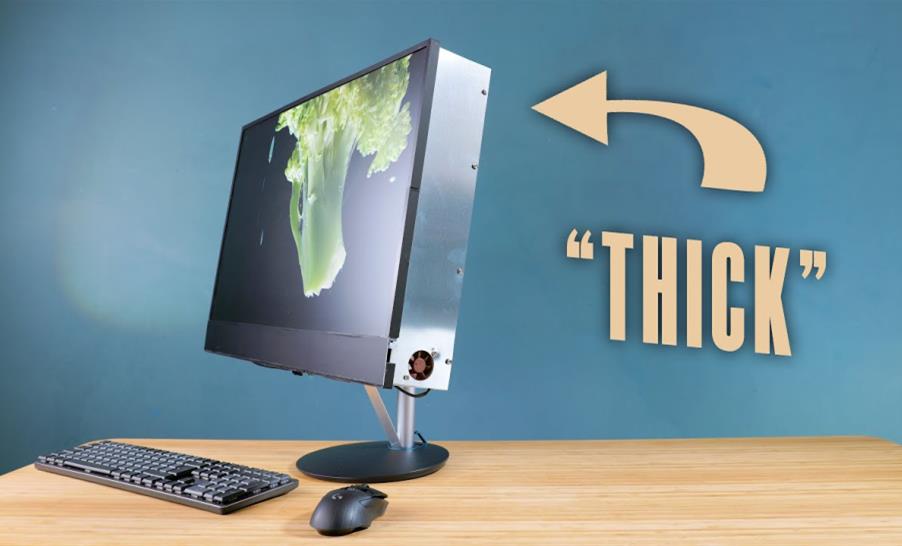
In many applications, particularly in modern consumer electronics, space is at a premium. Traditional LCD displays, with their relatively thick profiles, can be difficult to integrate into devices where slim, compact design is essential. This can limit the functionality and aesthetic appeal of the final product.
The Solution
For customers needing ultra-thin displays, the AUO laptop series offers an excellent solution. These LCD screens are designed with minimal thickness, making them ideal for use in space-constrained environments such as ultrabooks, tablets, and other portable devices. By choosing ultra-thin LCD screens, customers can achieve sleek, modern designs without sacrificing display quality or durability. This not only enhances the aesthetic appeal of the product but also allows for greater flexibility in design and application.
Future of LCD Displays
As technology continues to advance, so too do the expectations and demands placed on LCD displays. By understanding and addressing the common pain points associated with these LCD screens, customers can make more informed decisions and select solutions that best meet their needs. Whether it's extending the lifespan of the display, reducing power consumption, improving contrast, lowering costs, or achieving a thinner profile, there are now a variety of options available to overcome these challenges.
At the most public places, where excellence and innovation are celebrated, these advancements in LCD display technology highlight the importance of continually pushing the boundaries of what is possible. By embracing these solutions, customers can ensure that they are equipped with the best tools to succeed, both in the competitive arena and in their respective industries.
Any question or inquiry, pls feel free to contact us: [email protected]
For more LCDs and ICs, pls visit: www.andesource.com