In the fast-evolving world of display technology, LCD screens continue to dominate the market due to their versatility and wide range of applications. However, despite their popularity, traditional LCD displays often face certain challenges that can hinder user experience, particularly in demanding environments. In this blog, we’ll explore common pain points associated with LCD displays and discuss how advanced technologies and custom solutions can effectively address these issues, providing users with a superior viewing experience.
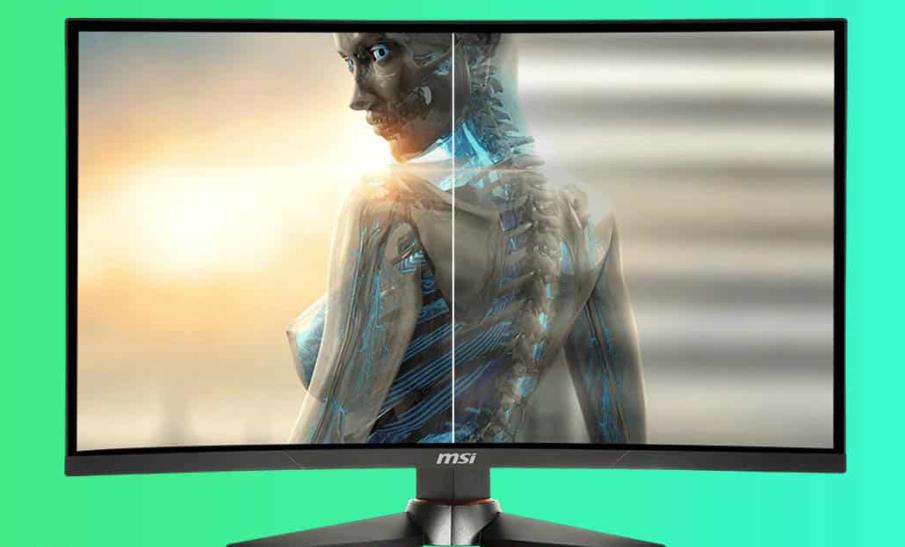
Brightness Issues: Poor Visibility in High Ambient Light
The Challenge
One of the most common complaints about LCD displays is their poor visibility in bright environments. When exposed to strong sunlight or other high-intensity light sources, standard LCD screens often struggle to maintain clear and vibrant images. This is especially problematic for outdoor applications, such as digital signage, outdoor advertising, and in-vehicle displays with cutting-edge display technology, where visibility is critical.
The Solution: Ultra-High Brightness Outdoor Displays
To overcome this challenge, the development of ultra-high brightness LCD screens has been a game-changer. These displays are engineered to deliver brightness levels far beyond those of standard LCDs, typically exceeding 1000 nits, which makes them easily readable even under direct sunlight. Furthermore, the ability to customize brightness levels to suit specific environmental conditions means that these screens can be tailored to meet the unique demands of various outdoor settings.
For instance, a retail business with outdoor digital signage can opt for an ultra-high brightness display, ensuring that their content remains visible and impactful, regardless of the lighting conditions. This customization ensures that businesses can maintain consistent communication with their audience, enhancing brand visibility and customer engagement.

Limited Viewing Angles: Color Distortion from Different Angles
The Challenge
Another significant issue with traditional LCD displays is the limited viewing angle. When viewed from off-center angles, these screens often suffer from color distortion and reduced image quality. This limitation is particularly problematic in settings where multiple viewers are likely to observe the screen from different positions, such as in conference rooms, retail spaces, or public displays with display technology.
The Solution: Full-View Angle Screens
To address this issue, the development of full-view angle LCD screens has been crucial. These displays are designed to maintain consistent color accuracy and image quality across a wide range of viewing angles—up to 90 degrees from the center. This technology ensures that viewers can enjoy the same visual experience, regardless of their position relative to the screen.
For example, in a conference room setting, where participants are seated at varying distances and angles from the display, a full-view angle screen ensures that everyone has a clear and undistorted view of the presentation. Similarly, in retail environments, full-view angle displays allow potential customers to see vibrant, true-to-life product images from any angle, thereby enhancing their shopping experience.

Slow Response Times: Motion Blur in Fast-Moving Images
The Challenge
In applications where fast-moving images are critical—such as gaming, sports broadcasts, or action-packed videos—LCD displays with slow response times can lead to motion blur and ghosting effects. These visual artifacts not only degrade the viewing experience but can also be a significant drawback for users who demand high-performance displays.
The Solution: High-Refresh Rate Displays
To combat motion blur, high-refresh rate LCD displays have been developed, offering refresh rates of 120Hz and above. These LCD screens are capable of displaying images at a much faster rate, significantly reducing the chances of motion blur and ghosting. As a result, they provide a smoother and more responsive visual experience, particularly in fast-paced scenarios.
For gaming enthusiasts, high-refresh rate displays ensure that every frame is rendered with precision, allowing for more immersive and fluid gameplay. Similarly, for professional video editors and content creators, these displays provide the clarity needed to accurately assess and edit fast-moving scenes, ensuring that the final product is of the highest quality.

Insufficient Resolution: Lack of Image Detail
The Challenge
Resolution is a critical factor in determining the clarity and detail of images displayed on LCD screens. Low-resolution displays can result in pixelation and a general lack of sharpness, which is particularly noticeable when displaying detailed content, such as high-definition videos, detailed graphics, or fine text. This can be a significant drawback in professional settings where image clarity is paramount.
The Solution: 4K Ultra-High-Resolution Displays
The advent of 4K Ultra HD display technology has revolutionized the quality of LCD displays by offering four times the resolution of standard Full HD screens. With a resolution of 3840 x 2160 pixels, 4K displays provide exceptionally sharp and detailed images, making them ideal for applications where visual precision is essential.
In fields such as graphic design, medical imaging, and video production, 4K displays enable professionals to work with intricate details and textures, ensuring that their work is represented with the highest fidelity. Moreover, for consumers, 4K screens enhance the viewing experience by delivering crisp, clear visuals that bring content to life, whether they are watching a blockbuster movie or browsing through high-resolution photographs.
Tailored Solutions for Superior LCD Performance
As the demand for high-performance displays continues to grow, addressing the common pain points of traditional LCD screens is more important than ever. By embracing advanced display technology such as ultra-high brightness, full-view angles, high-refresh rates, and 4K resolution, manufacturers can provide solutions that not only meet but exceed the expectations of their customers.
Whether for professional use, commercial applications, or personal entertainment, these innovations ensure that LCD displays can deliver the clarity, responsiveness, and versatility that modern users demand. By customizing these features to suit specific needs, businesses and consumers alike can enjoy a superior viewing experience, regardless of the challenges posed by their environment or application.
In conclusion, the future of LCD displays lies in their ability to adapt and innovate. As display technology continues to advance, so too will the capabilities of these LCD screens, paving the way for even more impressive and immersive visual experiences. For businesses looking to stay ahead of the curve, investing in these advanced LCD solutions is not just an option—it’s a necessity.
Any question or inquiry, pls feel free to contact us: [email protected]
For more LCDs and ICs, pls visit: www.andesource.com